

Dua for Safety During Travel

Traveling is a common part of life, whether by train, bus, car, or other means. Islam provides beautiful supplications (duas) for travelers, offering spiritual protection and peace of mind. This article explains the recommended dua for travelers, its significance, and how to recite it according to Islamic teachings.

Travel, while often necessary and beneficial, can bring uncertainty and risk. Islamic tradition encourages believers to seek Allah’s protection and blessings before embarking on any journey. The Prophet Muhammad صلی اللّٰہ علیہ و سلم and the scholars of Islam have emphasized the importance of reciting specific duas to safeguard oneself from harm and to express gratitude for the ability to travel.

Recommended Actions Before Travel

Before starting your journey—whether by train, bus, car, or any other vehicle—it is recommended to recite the following phrases:

  • بِسْمِ اللّٰہ (In the name of Allah)
  • اَللّٰہُ اَکْبَر (Allah is the Greatest)
  • اَلْحَمْدُ لِلّٰہ (All praise is due to Allah)
  • سُبْحَانَ اللّٰہ (Glory be to Allah) — each three times
  • لَا اِلٰہَ اِلَّا اللّٰہُ (There is no god but Allah) — once

These phrases express gratitude, glorification, and the oneness of Allah, setting a spiritual tone for the journey.

The Quranic Dua for Travelers

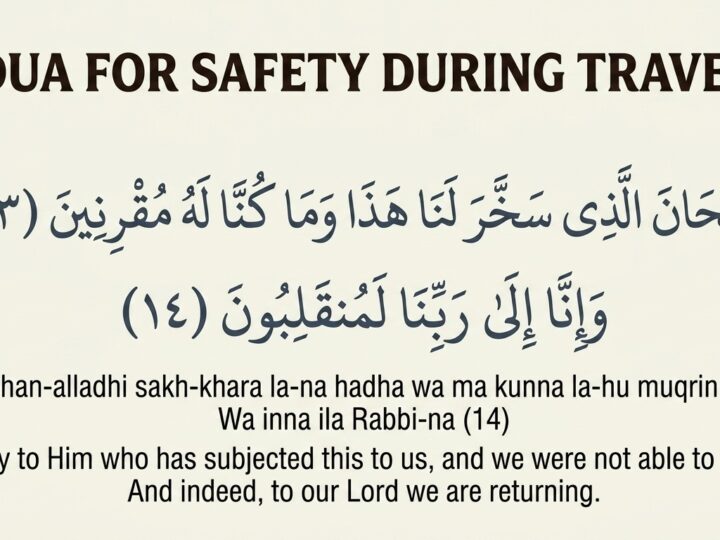
After reciting the above phrases, it is highly recommended to recite the following Quranic supplication, which is found in Surah Az-Zukhruf (43:13–14):


سُبْحٰنَ الَّذِیْ سَخَّرَ لَنَا هٰذَا وَ مَا كُنَّا لَهٗ مُقْرِنِیْنَ(۱۳) وَ اِنَّاۤ اِلٰى رَبِّنَا لَمُنْقَلِبُوْنَ(۱۴)
Glory be to Him Who has subjected this (vehicle) to us, and we were not capable of controlling it (by our own strength). And surely, to our Lord we shall return.(Quran, Surah Az-Zukhruf, verses 13–14)

This dua acknowledges Allah’s power in making travel possible and reminds the believer of their ultimate return to Allah.

Protection and Blessings

According to Islamic teachings, reciting these dua before travel is a means of seeking Allah’s protection from all kinds of accidents and misfortunes. The phrase اِنْ شَاءَ اللّٰہُ تَعَالیٰ (If Allah wills, the Majestic and Glorious) is often added to express reliance on Allah’s will for safety and success.

Conclusion

Reciting the recommended duas before traveling is a simple yet powerful practice in Islam. It not only provides spiritual comfort but also serves as a reminder of Allah’s blessings and our dependence on Him. By following these teachings, travelers can embark on their journeys with faith, gratitude, and a sense of security.

FAQs

Is it necessary to recite the travel dua every time I travel?

It is highly recommended, but not obligatory. Reciting the dua brings blessings and protection, so it is encouraged whenever you travel.

Can I recite the travel dua in any language?

The original Arabic is preferred, especially for Quranic verses, but you may also recite the translation if you do not know Arabic.

Is this dua only for long journeys?

No, it can be recited for any journey, whether short or long, by any means of transport.

What if I forget to recite the dua before starting my journey?

You may recite it as soon as you remember, even if you have already begun your journey.

Are there other recommended duas for travelers?

Yes, there are additional supplications found in the Sunnah and books of Hadith, but this Quranic dua is among the most widely practiced.

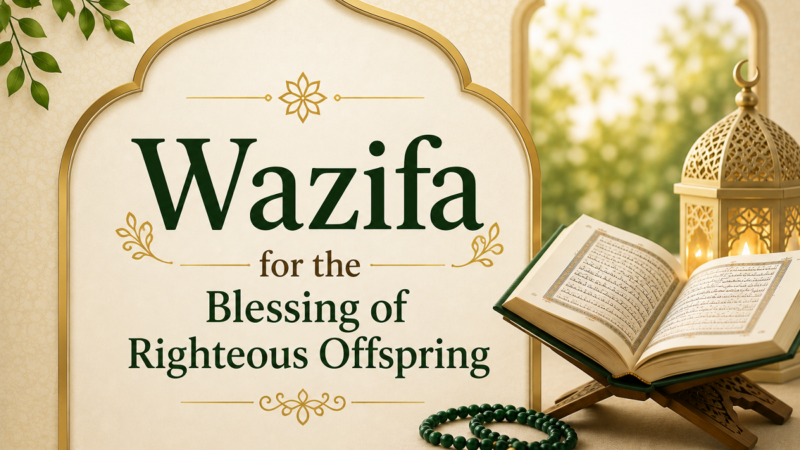
Supplication for the Blessing of Righteous Offspring

The desire to have children is a natural and heartfelt wish for many couples. In Islam, supplicating to Allah for offspring is encouraged, as children are regarded as a great blessing and a means of continuing good deeds after one’s death. Various spiritual practices and supplications (duas) have been transmitted by scholars and pious individuals to seek this divine favor, always with the understanding that results depend entirely on the Will of Allah Almighty.

The following spiritual practice is one such method that believers may perform with sincere faith and trust in Allah’s mercy.

Recommended Spiritual Practice

Those who wish to be blessed with children may perform the following Dua (remembrance of Allah) regularly after each prayer:

  1. After Fajr and Isha:
    Recite Ya Mateen (يَامَتِينُ) — 41 times after each of these two prayers.
  2. After Dhuhr and Asr:
    Recite Ya Hameed (يَاحَمِيدُ) — 41 times after each of these two prayers.
  3. After Maghrib:
    Recite Ya Hayyu Ya Qayyum (يَاحَيُّ يَاقَيُّومُ) — 41 times after the Maghrib prayer.

Before and after each recitation, recite Durood Shareef (صلی اللّٰہ علیہ و سلم) once.

Continue this spiritual routine until your heartfelt wish is fulfilled, In shā’ Allāh al-Karīm (by the Grace of Allah, the Most Generous).

Intention and Belief

It is mentioned that:

  • If the supplicant wishes for a daughter, Allah will bless them with a daughter.
  • If the supplicant wishes for a son, Allah will bless them with a son — In shā’ Allāh al-Karīm.

The key is steadfastness, patience, and firm faith in Allah’s decree. Every act of worship and supplication should be done with complete sincerity, avoiding any element of superstition or disbelief, and always acknowledging that only Allah grants or withholds according to His infinite wisdom.

Conclusion

The practice above is a form of zikr and dua to seek the blessing of offspring. While such spiritual routines are beneficial in nurturing hope and strengthening faith, believers must remember that ultimate outcomes rest solely with Allah. Continue to supplicate, act righteously, and place your full trust in His divine plan.

FAQs

Is this practice mentioned in the Qur’an or Hadith?

No, this specific combination of names is not directly narrated in the Qur’an or authentic Hadith. It is a recommended spiritual routine practiced by pious scholars to seek Allah’s mercy.

Can both husband and wife perform this Dua?

Yes. Either spouse, or both together, may perform this zikr with sincerity and the same intention.

How long should the practice continue?

It should be continued until the desired outcome is achieved, or as long as one wishes to keep supplicating for this blessing.

Should any special precautions be taken?

Recite with cleanliness, wudu, and a pure heart. Avoid haste and maintain full concentration on Allah’s remembrance.

Can this be done for someone else (e.g., a relative)?

Yes. You may perform this zikr while making dua for someone else who wishes to have children, with a sincere intention.

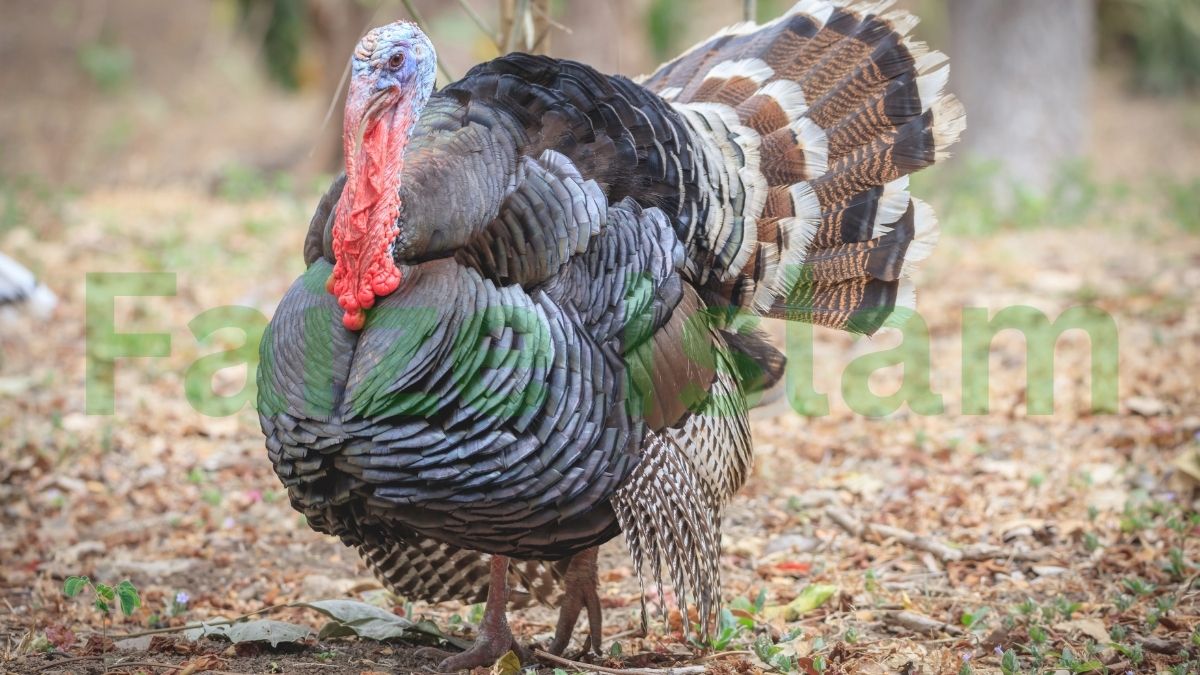
Is Turkey Halal in Islam?

In Islam, dietary laws are taken seriously, and the permissibility of eating different types of animals is outlined clearly in various Islamic texts. One common question that arises is whether turkey (the bird) is halal or permissible for Muslims to consume. The answer depends on the classification of the turkey within Islamic jurisprudence.

Understanding the Turkey (Turkey Bird) in Islamic Jurisprudence

In the context of Islamic dietary rules, the term turkey refers to the large bird known as the Meleagris gallopavo, often raised for its meat. This bird is considered a type of domestic poultry and is classified within the broader category of dajjāj (domestic fowl), which includes chickens. According to Islamic law, dajjāj and similar types of birds are considered halal, meaning they are permissible to eat.

The key principle in determining whether an animal is halal or not in Islam is whether it falls into the category of halal (permissible) animals, which typically are those that do not have traits of carnivorous or predatory animals. Since turkeys are herbivorous (eating grains and seeds) and do not have claws for hunting prey, they are classified as permissible to consume.

Scholarly Opinions on Halal Poultry

In the classical Islamic text Badā’i‘ al-Ṣanā’i‘ fī Tartīb al-Sharā’i‘ (a well-known text on Islamic jurisprudence), the discussion on halal and haram animals states:

Animals are essentially of two types: (1) beasts of prey, and (2) birds. A bird is defined as any creature with talons (sharp claws) or a beak that hunts other creatures. The well-known hadith of the Prophet Muhammad صلی اللّٰہ علیہ و سلم prohibits the consumption of any creature with talons or any predator with sharp teeth. Examples of prohibited animals include lions, wolves, tigers, and other such creatures. However, the ḍab‘ (hyena) is an exception according to the Shafi‘i school, where it is considered permissible to eat.

The text also highlights that non-predatory birds, such as domestic poultry like chickens, ducks, and pigeons, are considered halal for consumption. It also clarifies that any bird that eats grain and does not have predatory characteristics is halal, including turkeys, which fall under this category.

The Ruling on Turkey Meat

As per the established Islamic law, since the turkey is a type of dajjāj (chicken family), it is halal to eat. It is permissible to consume turkey meat, trade it, and cook it, as there are no objections to its permissibility in the major schools of Islamic thought.

The Ḥanafī school, as explained in the Al-Hindīyah (another key text of Islamic jurisprudence), supports the permissibility of eating domestic birds, including turkeys. The ruling is clear: the meat of such birds is halal if slaughtered according to Islamic guidelines.

Conclusion

To summarize, turkey, as a type of poultry, is completely permissible (halal) for Muslims to consume. Its meat is not forbidden, and there is no valid basis for claims that it is haram (forbidden). Those who say turkey is haram are mistaken, as it falls under the category of permissible poultry. The consumption of turkey meat, as long as it is slaughtered in accordance with Islamic rules, is entirely acceptable in Islam.

FAQs

Is it permissible to eat turkey in Islam?

Yes, turkey is halal in Islam because it is a type of poultry and does not fall under the category of predatory animals.

Are there any exceptions regarding the consumption of turkey meat?

No, there are no exceptions. Turkey meat is considered halal as long as it is slaughtered according to Islamic guidelines.

What makes an animal halal or haram in Islam?

In general, animals that are herbivores and not predators are halal, provided they are slaughtered according to Islamic law (Zabiha).

Are there any differences in opinions about eating turkey among Islamic scholars?

No, the majority of scholars agree that turkey is halal, as it is a domesticated bird and falls under the permissible category of poultry.

The Dua for Breaking the Fast

The act of fasting, one of the Five Pillars of Islam, is a deeply spiritual practice observed by Muslims throughout the month of Ramadan. As the day of fasting comes to an end, the moment of breaking the fast holds great significance, not only for physical nourishment but also for spiritual reflection and connection with Allah.

A specific supplication (dua) recited at the time of breaking the fast carries a powerful reminder of this connection. One such dua is:

اَللّٰهُمَّ إِنِّي لَكَ صُمْتُ وَ بِكَ آمَنْتُ وَ عَلَيْكَ تَوَكَّلْتُ وَ عَلَىٰ رِزْقِكَ أَفْطَرْتُ

O Allah! I have fasted for You, I have believed in You, I have relied upon You, and with Your sustenance, I break my fast.

The Origins of the Dua

The dua for breaking the fast has been narrated in multiple hadiths, each mentioning variations of the words used. One such narration comes from Hazrat Muaz bin Zohra رضی اللّٰہ عنہ, who reported that when the Prophet Muhammad صلى الله عليه و سلم would break his fast, he would recite this dua:

اللَّهُمَّ لَكَ صُمْتُ وَعَلَىٰ رِزْقِكَ أَفْطَرْتُ

O Allah! I have fasted for You, and with Your sustenance, I break my fast. (Abu Dawood, Sunan, Book of Fasting, Chapter on Saying the Dua at the Time of Iftar, 2:294, Hadith No. 2358).

This beautiful supplication was recited to express gratitude for Allah’s sustenance and the opportunity to break the fast in His name. While the phrasing in different hadiths varies slightly, the core message remains the same: expressing reliance on Allah and acknowledging that it is only through His mercy that one can fast and break the fast.

The Scholars’ Insights on the Dua

The renowned scholar Mulla Ali Qari رضی اللّٰہ عنہ, in his commentary on Mirqat al-Mafatih, noted that while the words وَ بِكَ آمَنْتُ(I have believed in You) do not have an explicit origin in the standard versions of this dua, they are nevertheless acceptable and are a permissible addition to the supplication. He explained that adding words of supplication is allowed, just as some people add extra phrases during the talbiyah (the prayer recited during Hajj). Therefore, the following form of the dua can also be recited during iftar:

اللَّهُمَّ إِنِّي لَكَ صُمْتُ وَبِكَ آمَنْتُ وَعَلَيْكَ تَوَكَّلْتُ وَعَلَىٰ رِزْقِكَ أَفْطَرْتُ

O Allah! I have fasted for You, I have believed in You, I have relied upon You, and with Your sustenance, I break my fast.

The Significance of Reciting the Dua After Iftar

It is clear from various hadiths and the commentary of scholars that reciting a dua after breaking the fast is a practice rooted in the Sunnah of the Prophet صلى الله عليه و سلم. Imam Abu Dawood رضی اللّٰہ عنہ narrates that Hazrat Muaz bin Zohra رضی اللہ عنہ conveyed that the Prophet Muhammad صلى الله عليه و سلم would recite this dua at the time of iftar, after breaking the fast.

This is confirmed by the following narration:

It was conveyed to him that the Prophet صلى الله عليه وسلم used to say: O Allah! I have fasted for Your pleasure, and I break my fast with Your provision. (Sunan Abu Dawood, Volume 4, Page 40, Hadith No. 2358, Beirut Edition).

Imam Muhammad bin Abdul Latif (may Allah have mercy on him) and Imam Hussain bin Mahmood al-Mazahiri (may Allah have mercy on him), in their explanations of this hadith, clarified that this dua is to be recited after the fast is broken, i.e., after consuming dates or water to break the fast.

Conclusion

The dua for breaking the fast is a beautiful way to end a day of fasting, reminding the believer of their reliance on Allah for sustenance and spiritual strength. It serves as a moment of gratitude, acknowledging that all sustenance comes from Allah alone. As we strive to follow the Sunnah of the Prophet (صلى الله عليه وسلم), this supplication becomes not only a practice of worship but also a source of deep reflection during Ramadan.

FAQs

What is the purpose of the dua?

The dua expresses gratitude to Allah for providing sustenance and acknowledges reliance on Him for both the fast and its breaking.

Can I add other phrases to the dua for iftar?

Yes, as noted by scholars like Mulla Ali Qari, adding phrases like وَبِكَ آمَنْتُ (I have believed in You) is permissible and does not invalidate the dua.

When should the dua for breaking the fast be recited?

The dua should be recited after breaking the fast, typically after eating dates or drinking water, as this practice follows the Sunnah of the Prophet (صلى الله عليه وسلم).

Is the dua for iftar mentioned in all hadith books?

While various hadith books mention the dua with slight variations, the essence remains the same, emphasizing reliance on Allah and gratitude for His sustenance.

Can I use different wordings for the dua for iftar?

Yes, there are variations in the wording of the dua for breaking the fast, and all are accepted as long as they maintain the core message of reliance on Allah.

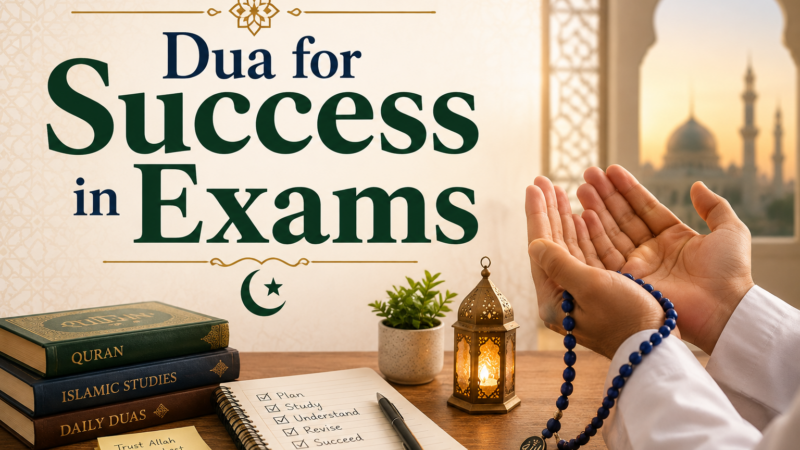
Dua for Success in Exams

Exams can be a stressful time for students, but incorporating spiritual practices and supplications can provide a sense of calm, focus, and confidence. The following prayer and actions are recommended to help seek success in exams, invoking the blessings of Allah.

Actions Before Starting the Exam

When you sit down in the examination hall, the first step is to place your exam paper face down. This simple action signifies preparation and focus. After that, it is essential to recite the following:

  1. Ta’awwuz (Seek refuge with Allah from the devil)
    أَعُوذُ بِاللَّهِ مِنَ الشَّيْطَانِ الرَّجِيمِ
    I seek refuge in Allah from the accursed devil.
  2. Bismillah (In the name of Allah)
    بِسْمِ اللهِ الرَّحْمَٰنِ الرَّحِيمِ
    In the name of Allah, the Most Gracious, the Most Merciful.
  3. Ina Lillahi wa Ina Ilayhi Raji’oon (We belong to Allah and to Him is our return)
    إِنَّا لِلّٰهِ وَإِنَّا إِلَيْهِ رَاجِعُونَ
    Indeed, we belong to Allah and to Him is our return.

Reciting Surah Al-Duha (Surah 93)

بِسْمِ اللّٰهِ الرَّحْمٰنِ الرَّحِیْمِ

وَ الضُّحٰى(1) وَ الَّیْلِ اِذَا سَجٰى(2) مَا وَدَّعَكَ رَبُّكَ وَ مَا قَلٰى(3) وَ لَلْاٰخِرَةُ خَیْرٌ لَّكَ مِنَ الْاُوْلٰى(4) وَ لَسَوْفَ یُعْطِیْكَ رَبُّكَ فَتَرْضٰى(5) اَلَمْ یَجِدْكَ یَتِیْمًا فَاٰوٰى(6) وَ وَجَدَكَ ضَآلًّا فَهَدٰى(7) وَ وَجَدَكَ عَآىٕلًا فَاَغْنٰى(8) فَاَمَّا الْیَتِیْمَ فَلَا تَقْهَرْ(9) وَ اَمَّا السَّآىٕلَ فَلَا تَنْهَرْ(10) وَ اَمَّا بِنِعْمَةِ رَبِّكَ فَحَدِّثْ(11)

After completing the above steps, recite Surah Al-Duha (Surah 93) in its entirety. This surah, which speaks of Allah’s mercy and blessings, is a powerful supplication for guidance, success, and relief from difficulties.

Once you have recited Surah Al-Duha, turn your exam paper right side up, placing your hand on it as a symbolic act of seeking Allah’s assistance. Afterward, place your hand on yourself, making a gentle supplication for Allah’s blessings and success. Additionally, it is recommended to recite the dua and blow gently on your pen, asking Allah to make it a means of success in your exams.

For Women During Menstruation

If a woman is going through her menstrual cycle, she should avoid reciting Surah Al-Duha as per the traditional practice. Instead, she can recite Surah Al-Fatihah with the intention of making a supplication (dua), which is a powerful and comprehensive supplication in itself, asking Allah for guidance, success, and blessings in all matters, including exams.

Conclusion

Incorporating these supplications and spiritual practices on exam day can help calm the mind, improve concentration, and most importantly, seek Allah’s help and blessings for success. The act of placing trust in Allah and performing these duas with sincerity is a form of worship, ensuring that, regardless of the outcome, the effort is spiritually rewarding.

FAQs

Why do we turn the exam paper face down before starting?

This is a symbolic action that helps in mentally preparing for the exam, ensuring focus and attentiveness.

Can I recite Surah Al-Duha if I am menstruating?

No, it is advised to refrain from reciting Surah Al-Duha during menstruation. Instead, you can recite Surah Al-Fatihah with the intention of making a supplication (dua).

What is the significance of reciting Surah Al-Duha before an exam?

Surah Al-Duha is a supplication for success, divine mercy, and guidance. Its recitation helps invoke Allah’s blessings and ease during challenging times like exams.

How should I perform the blowing on the pen and paper?

After reciting the dua and placing your hand on the paper, gently blow on your hand and then on your pen, symbolizing your request for Allah’s help and success in the exam.

Can I perform this dua during any other stressful occasion?

Yes, this dua and the associated actions can be performed in any situation requiring success or guidance, not just exams.

Dua for Anxiety and Relief from Debt

Dealing with anxiety and distress, especially when burdened by debt, is a struggle many people face. However, there is a special prayer taught by Prophet Muhammad صلی اللّٰہ علیہ و سلم to His companion, Abu Umama رضی اللّٰہ عنہ, that offers solace and relief. This prayer is a remedy for anxiety, sadness, weakness, and the overwhelming feeling of being trapped in debt. It has been narrated in authentic hadith collections, providing both spiritual and practical guidance.

The Dua for Anxiety and Relief from Debt

The following prayer, as instructed by Prophet Muhammad صلی اللّٰہ علیہ و سلم to Abu Umama رضی اللّٰہ عنہ, is to be recited in the morning and evening, seven times each. The prayer reads:

اَللّٰهُمَّ اِنِّیْ اَعُوْذُ بِكَ مِنَ الْهَمِّ وَ الْحَزَنِ، وَ اَعُوْذُ بِكَ مِنَ الْعَجْزِ وَ الْكَسَلِ، وَ اَعُوذُ بِكَ مِنَ الْجُبْنِ وَ الْبُخْلِ، وَ اَعُوْذُ بِكَ مِنْ غَلَبَةِ الدَّيْنِ، وَ قَهْرِ الرِّجَالِ

O Allah! I seek refuge in You from anxiety and sorrow, from weakness and laziness, from cowardice and miserliness, from being overwhelmed by debt, and from the oppression of people.

Significance and Benefits of the Dua

This powerful supplication seeks refuge in Allah from various forms of distress and hardship. The Prophet صلی اللّٰہ علیہ و سلم advised Abu Umama رضی اللّٰہ عنہ to recite this prayer when he was suffering from both overwhelming worries and the burden of debt. The supplication serves as a way to ask Allah for help with not only alleviating emotional distress but also for resolving financial difficulties.

The Prophet صلی اللّٰہ علیہ و سلم’s advice highlights how such supplications can serve as a means of seeking divine intervention in times of trouble. Abu Umama رضی اللّٰہ عنہ followed this advice, and as a result, Allah relieved his anxiety and cleared his debt.

The Hadith: A Story of Relief

The hadith regarding this prayer has been narrated in Sunan Abu Dawood (Volume 1, Page 227), where the companion Abu Umama رضی اللّٰہ عنہ is reported to have encountered the Prophet صلی اللّٰہ علیہ و سلم in the mosque at a time when he was not there for prayer. The Prophet صلی اللّٰہ علیہ و سلم, noticing his distress, inquired about his troubles.

Abu Umama رضی اللّٰہ عنہ shared that he was troubled by many worries and had heavy debts. Prophet Muhammad صلی اللّٰہ علیہ و سلم, upon hearing this, offered him the remedy of the above dua, saying:

Would you like me to teach you words that, if recited, would remove your anxiety and pay off your debt?

Abu Umama رضی اللّٰہ عنہ eagerly accepted, and the Prophet صلی اللّٰہ علیہ و سلم instructed him to recite this prayer in the mornings and evenings. Abu Umama رضی اللّٰہ عنہ followed this advice, and, by the grace of Allah, his anxiety was lifted, and his debts were cleared.

This hadith is also found in Sunan at-Tirmidhi (Volume 5, Page 452), confirming its authenticity and significance.

A Remedy for All: Universal Benefits of the Dua

This prayer is not only for those in debt but can be recited by anyone facing emotional or psychological distress. The key elements of this dua cover various types of struggles:

  • Anxiety (اللّٰهم) and sadness (الحزن): A plea for relief from negative emotions that weigh down the heart.

  • Weakness (العجز) and laziness (الكسل): A request for strength and motivation in times of personal or professional challenges.

  • Cowardice (الجبن) and miserliness (البخل): Seeking courage and generosity to overcome self-doubt and selfishness.

  • Overwhelming debt (غلبة الدين): A specific supplication for those burdened by financial obligations.

  • Oppression by people (قهر الرجال): Asking for protection from the injustice or harm caused by others.

Conclusion

The dua for anxiety and relief from debt, as taught by Prophet Muhammad صلی اللّٰہ علیہ و سلم, serves as a powerful tool for anyone seeking Allah’s help in times of distress. Reciting this prayer regularly can bring peace to the heart, clarity to the mind, and solutions to problems, especially financial ones. It is a reminder that seeking refuge in Allah’s mercy and relying on His wisdom can turn any difficult situation into an opportunity for spiritual growth and relief.

FAQs

When should I recite this dua?

It is recommended to recite this dua in the morning and evening, seven times each. It can also be recited at any time of distress or need.

Can this dua help with financial issues?

Yes, this dua specifically asks Allah to relieve the burden of debt and financial difficulties. Many people have experienced relief through its recitation.

Is there any special time or condition for reciting this dua?

There is no specific time other than the morning and evening, but reciting it sincerely with faith during moments of hardship can be particularly beneficial.

Do I need to understand Arabic to recite this dua?

While understanding the meaning of the prayer can enhance its impact, the dua can be recited in its original Arabic form for those who know the pronunciation. It is also beneficial to learn the translation to understand its full meaning.

How long should I recite this dua for it to be effective?

The dua can be recited for as long as you feel necessary. Consistency in reciting it daily, particularly in the morning and evening, is key to experiencing its benefits.

Arafat Name Meaning in Urdu | عرفات نام کا مطلب اردو

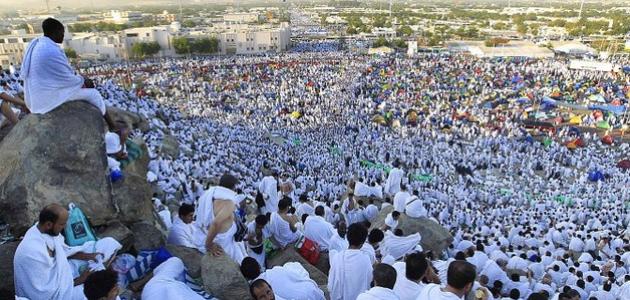
عرفات ایک بابرکت نام ہے۔ یہ دراصل ایک مشہور و معروف میدان کا نام ہے، جہاں حج کا سب سے بڑا رکن وقوف عرفہ ادا کیا جاتا ہے۔ اس وجہ سے یہ نام مسلمانوں کے دلوں میں خاص تقدس اور روحانی عظمت رکھتا ہے۔ عرفات مکے سے بارہ میل کے فاصلے پر ایک پہاڑی اور میدان ہے جہاں حاجی حج کے دن کھڑے ہو کر لبیک پکارتے ہیں۔ (فیروز اللغات، صفحہ 947، مطبوعہ کراچی)

مراٰۃ المناجیح میں اس کی مزید وضاحت ہے: عرفہ عرف سے بنا ہے بمعنی پہچاننا۔ ذُو الحجۃِ الحرام کی نویں تاریخ کو بھی عرفہ کہا جاتا ہے اور عرفات میدان کو بھی، مگر لفظ عرفات صرف میدان کے لیے استعمال ہوتا ہے، نہ کہ اس دن کے لیے۔ (مراٰۃ المناجیح، جلد 4، صفحہ 139، نعیمی کتب خانہ، گجرات)

:عرفات نام کے متعلق تفصیل

عرفاتاردو نام
Arafatانگریزی نام
پہچاننا اور وہ میدان جہاں حج کا سب سے بڑا رکن وقوف عرفہ< ادا کیا جاتا ہے۔لغوی معنی
لڑکانام کی جنس
عربیزبان
اسلاممذہب

عمومی سوالات اور انکے جوابات

عرفات نام کا کیا مطلب ہے؟

اردو میں، عرفات سے مراد مکہ مکرمہ کے قریب ایک پہاڑی اور میدان جہاں حج کا رکن اعظم ادا ہوتا ہے۔
The sacred plain near Makkah where the ritual of Wuquf-e-Arafah is performed during Hajj  انگریزی میں اس کا مطلب ہے

عرفات نام کس مذہب کا ہے؟

عرفات نام مذہب اسلام سے ہے۔

عرفات نام کی اصل کیا ہے؟

عرفات نام کی اصل عربی لغت ہے۔

Bilqees Name Meaning in Urdu | بِلقیس نام کا مطلب اردو

بِلقیس ایک تاریخی نام ہے۔ یہ دراصل ملکہ سبا کا نام تھا جن کا ذکر قرآن کریم میں حضرت سلیمان علیہ السلام کے واقعے میں ملتا ہے۔ اسلامی روایت کے مطابق، ملکہ سبا نے حضرت سلیمان علیہ السلام کی حکمت اور معجزات دیکھ کر اسلام قبول کیا اور بعد میں آپ علیہ السلام کی زوجہ بن گئیں۔ یہ ایک تاریخی اور مثبت پس منظر رکھنے والا نام ہے، اس لیے بلقیس نام رکھنا جائز اور درست ہے۔ اس نام میں کسی قسم کا منفی مفہوم شامل نہیں۔ لفظ بِلقیس کے متعلق لغوی کتب میں زیادہ تفصیل موجود نہیں، تاہم اسلامی تاریخ اور تفاسیر میں یہ نام ملکہ سبا کے حوالے سے ذکر ہوا ہے۔ یہ عربی نام ہے اور خواتین کیلئے استعمال ہوتا ہے۔

تاریخی و قرآنی پس منظر

قرآن کریم (سورۃ النمل، آیات 22 تا 44) میں حضرت سلیمان علیہ السلام اور ملکہ سبا کا واقعہ تفصیل سے بیان ہوا ہے۔ اگرچہ قرآن میں ملکہ کا نام صراحتاً مذکور نہیں، لیکن مفسرین اور تاریخی روایات کے مطابق ان کا نام بِلقیس تھا۔

:بِلقیس نام کے متعلق تفصیل

بِلقیس

اردو نام

Bilqees

انگریزی نام

حضرت سلیمان علیہ السلام کی زوجہ کا نام

لغوی معنی

لڑکی

نام کی جنس

عربی

زبان

اسلام

مذہب

عمومی سوالات اور انکے جوابات

کیا بلقیس نام رکھنا درست ہے؟

جی ہاں، بلقیس نام رکھنا بالکل جائز ہے کیونکہ یہ ایک مثبت پس منظر رکھتا ہے۔

بلقیس کون تھیں؟

بلقیس ملکہ سبا تھیں جنہوں نے حضرت سلیمان علیہ السلام کے معجزات دیکھ کر اسلام قبول کیا اور بعد میں آپ علیہ السلام کی زوجہ بنیں۔

Zaurain Name Meaning in Urdu | زورین نام کا مطلب اردو

زورین نام کا مطلب اس کی ز کی حرکت پر منحصر ہے۔ اگر زَ پر زبر ہو (زَورین)، تو یہ لفظ زور کی تثنیہ ہے۔ عربی لغت میں زور کا ایک معنی سردار بھی آتا ہے، اس لیے اس صورت میں زورین کا مطلب ہوگا: دو سردار۔ لیکن اگر زُ پر پیش ہو (زُورین)، تو معنی ہوگا جھوٹ، اور اس مفہوم کے اعتبار سے یہ نام رکھنا منع ہے۔

:زَورین نام کے متعلق تفصیل

زَورین

اردو نام

Zaurain

انگریزی نام

زَورین: دو سردار / زُورین: جھوٹ

لغوی معنی

لڑکا

نام کی جنس

عربی

زبان

اسلاممذہب

عمومی سوالات اور انکے جوابات

زورین نام کا کیا مطلب ہے؟

ز پر زبر ہو تو معنی ہیں دو سردار، اور اگر ز پر پیش ہو تو معنی ہیں جھوٹ۔

کون سا تلفظ اختیار کرنا چاہیے؟

صرف زَورین استعمال کیا جا سکتا ہے، کیونکہ زُورین کا مطلب جھوٹ ہے جو کہ مناسب نہیں۔

کیا یہ نام رکھنا جائز ہے؟

زَورین (زبر کے ساتھ) رکھنا جائز ہے، مگر زُورین (پیش کے ساتھ) رکھنا منع ہے۔

Ashrah Name Meaning in Urdu | عشرہ نام کا مطلب اردو

عشرہ ایک ایسا لفظ ہے جو عددی اور زمانی معنی رکھتا ہے۔ لغوی طور پر اس کا مطلب دس یا مہینے کے دس دن ہیں۔ اگرچہ عشرہ ایک معروف لفظ ہے اور خاص طور پر اسلامی کیلنڈر کے اعتبار سے عشرۂ ذوالحجہ یا عشرۂ محرم جیسے بابرکت دنوں کے لیے استعمال ہوتا ہے، لیکن اسے نام کے طور پر رکھنا موزوں نہیں ہے۔ اس کی وجہ یہ ہے کہ یہ محض ایک عددی یا وقتی اصطلاح ہے، نہ کہ کوئی ایسا لفظ جو شخصیت یا انسانی اوصاف کی نمائندگی کرے۔

فیروز اللغات کے مطابق عشرہ دس، مہینے کے دس روز۔ (فیروز اللغات، صفحہ 949، مطبوعہ کراچی)

والدین کے لیے مشورہ

والدین کو چاہیے کہ وہ اپنے بچوں کے نام ایسے الفاظ پر رکھیں جو نہ صرف معنوی خوبصورتی رکھتے ہوں بلکہ اسلامی روایت اور نیک ہستیوں سے بھی جڑے ہوں۔ اس سے بچے کے نام میں برکت اور روحانی عظمت پیدا ہوتی ہے۔

:عشرہ نام کے متعلق تفصیل

عشرہ اردو نام
Ashrah انگریزی نام
دس یا مہینے کے دس دن لغوی معنی
لڑکینام کی جنس
عربی زبان
اسلام مذہب

عمومی سوالات اور انکے جوابات

عشرہ نام کا کیا مطلب ہے؟

اردو میں عشرہ کا مطلب دس یا مہینے کے دس دن ہے۔
انگریزی میں اس کا مطلب ہے۔ Ten, or ten days of a month

عشرہ نام کا مذہب کیا ہے؟

عشرہ اسلامی روایات سے جڑا ہوا ہے، لیکن اسے نام کے طور پر استعمال کرنا مناسب نہیں۔

عشرہ نام کی اصل کیا ہے؟

عشرہ لفظ کی اصل عربی لغت ہے۔